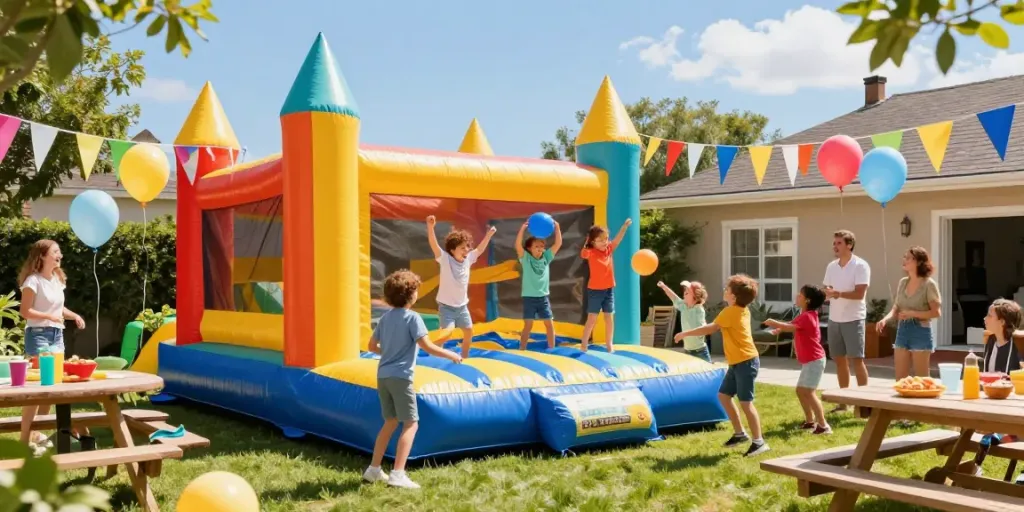
The Joy of Bounce Castles: An Overview
Bounce castles, also known as inflatable castles or bouncy houses, have become a staple in children's entertainment, transforming ordinary backyards into vibrant playgrounds. These inflatable wonders not only provide hours of fun but also promote physical activity, social interaction, and imaginative play. As we step into 2026, the bounce castle market continues to flourish, with innovations and designs that cater to a wide range of preferences and budgets. When exploring options, bounce castle selections offer a comprehensive insight into the latest trends and enhancements in this beloved recreational item.
What is a Bounce Castle?
A bounce castle is an inflatable structure designed for children to jump, bounce, and play freely. Typically constructed from durable materials such as PVC or reinforced nylon, these inflatable structures are designed to safely contain energetic play. They usually come in various themes, colors, and sizes, catering to different ages and preferences. Many bounce castles also feature additional elements like slides, ball pits, and obstacle courses to enhance the fun and challenge for children.
History and Evolution of Bounce Castles
The origin of bounce castles can be traced back to the 1950s when an architect named John Scurlock designed an inflatable structure for a project in his backyard. Initially, these inflatables were used mainly in commercial settings, such as carnivals and fairs. However, over the decades, they have evolved into a popular item for residential use as well. The introduction of easier-to-inflate models, LED lighting, and themed designs has significantly boosted their appeal, making them a common choice for birthday parties and family gatherings.
Benefits of Bounce Castles for Kids
Bounce castles offer numerous benefits beyond mere entertainment. Some key advantages include:
- Physical Activity: Jumping in a bounce castle is an excellent way for children to engage in physical exercise, promoting cardiovascular health and muscle development.
- Social Skills: Playing in a bounce castle encourages social interaction among children, fostering teamwork, sharing, and communication.
- Imaginative Play: Many bounce castles are themed, allowing children to engage in imaginative role play, which is crucial for cognitive development.
- Stress Relief: Physical activity and play are known to reduce stress, providing a fun outlet for energy and emotions.
Choosing the Right Bounce Castle
When it comes to selecting a bounce castle, the options can seem overwhelming. With various types available, it's essential to find the right fit for your needs and space.
Types of Bounce Castles Available
There are several types of bounce castles, including:
- Standard Bounce Houses: These are the classic style, offering a simple bouncing area.
- Themed Bounce Castles: These feature popular characters or themes that appeal to children, such as princesses, superheroes, or animals.
- Combo Bounce Houses: These structures combine bouncing areas with slides and obstacle courses, providing varied play options.
- Commercial Grade Bounce Houses: These are designed for repeated use in commercial settings and are typically more durable and spacious.
Factors to Consider When Buying
When purchasing a bounce castle, consider the following factors:
- Space Availability: Ensure you have adequate outdoor space for setup, considering both the bounce castle's size and safety buffers.
- Weight Capacity: Check the weight limits to ensure it can safely accommodate multiple children at once.
- Material Quality: Look for durable materials that can withstand rough play and weather conditions.
- Safety Features: Identify bounce castles with reinforced seams and safety nets to prevent falls and injuries.
Age Appropriateness and Safety Guidelines
It's vital to ensure that the bounce castle is suitable for the age range of the children who will be using it. Typically, manufacturers recommend age specifications. Additionally, adherence to safety guidelines, such as supervising play and enforcing rules regarding the number of children allowed at once, is crucial to prevent accidents.
Setting Up a Bounce Castle for Maximum Fun
Proper setup of the bounce castle can significantly enhance the fun while ensuring safety.
Best Locations for Setup
When choosing a location for your bounce castle, consider the following:
- Flat Surface: Ensure the area is level to prevent tipping and uneven bouncing.
- Safe Surroundings: Avoid setup near sharp objects, pools, or rough terrain.
- Accessibility: Ensure easy access for both children and supervising adults.
Key Safety Tips for Parents
Safety is paramount when children are playing in a bounce castle. Some essential safety tips include:
- Supervision: Always have an adult on-site to monitor the children.
- Age Groups: Separate kids by age and size to prevent collisions and injuries.
- Weather Conditions: Avoid using the bounce castle during strong winds or rain, as wet surfaces can lead to slips.
How to Make the Party Memorable
To ensure a memorable experience, consider incorporating themes, decorations, and activities related to the bounce castle's design. You could also schedule games and contests that utilize the bounce castle, enhancing interaction and enjoyment.
Maintenance and Care for Your Bounce Castle
Just like any outdoor toy, a bounce castle requires proper maintenance to prolong its lifespan and ensure safe use.
Cleaning and Storing Your Bounce Castle
Regular cleaning is essential. After each use, wipe down the interior and exterior with a mild soap solution and allow it to dry completely before storing it. For storage, keep it in a cool, dry place, away from direct sunlight.
Common Issues and How to Fix Them
Some common issues with bounce castles include air leaks and fabric tears. To address these, inspect the seams regularly and use patch kits for minor damages. For larger issues, consider consulting the manufacturer or a professional repair service.
When to Seek Professional Help
If the bounce castle sustains significant damage or if you observe any safety concerns that are beyond your expertise to resolve, it is best to seek professional assistance to ensure the item is safe and operational.
The Future of Bounce Castles in 2026 and Beyond
As we look towards the future, the bounce castle industry is primed for exciting developments.
Innovations in Bounce Castle Design
Future designs may incorporate advanced technology, such as interactive games and augmented reality elements, making bounce castles even more engaging for children.
Eco-Friendly Options for Sustainable Fun
With increasing awareness of environmental concerns, manufacturers are likely to focus on sustainable materials and practices, offering eco-friendly bounce castles that reduce carbon footprints.
Predictions for Bounce Castle Rentals and Purchases
As more families seek at-home entertainment options, the demand for both rentals and purchases of bounce castles is expected to soar, making them even more accessible and diverse in design.
Can my 2 year old go in a bounce house?
Generally, many bounce castles are designed for children ages 3 and up. However, there are specially designed bounce houses for toddlers. Always check the manufacturer's guidelines to ensure safety and appropriateness for younger children.
Why are bouncy castles so expensive?
The cost of bounce castles can vary widely depending on size, design, and durability. Higher-end models often come with additional features, which can contribute to a higher price point. Investment in quality materials also ensures safety and longevity, which is crucial for regular use.
How much does a bouncing castle cost?
On average, residential bounce castles can range from $100 to over $1,000, depending on size and features. Commercial-grade models tend to be more expensive, reflecting their durability and design for repeated use.